Understanding Overtrading
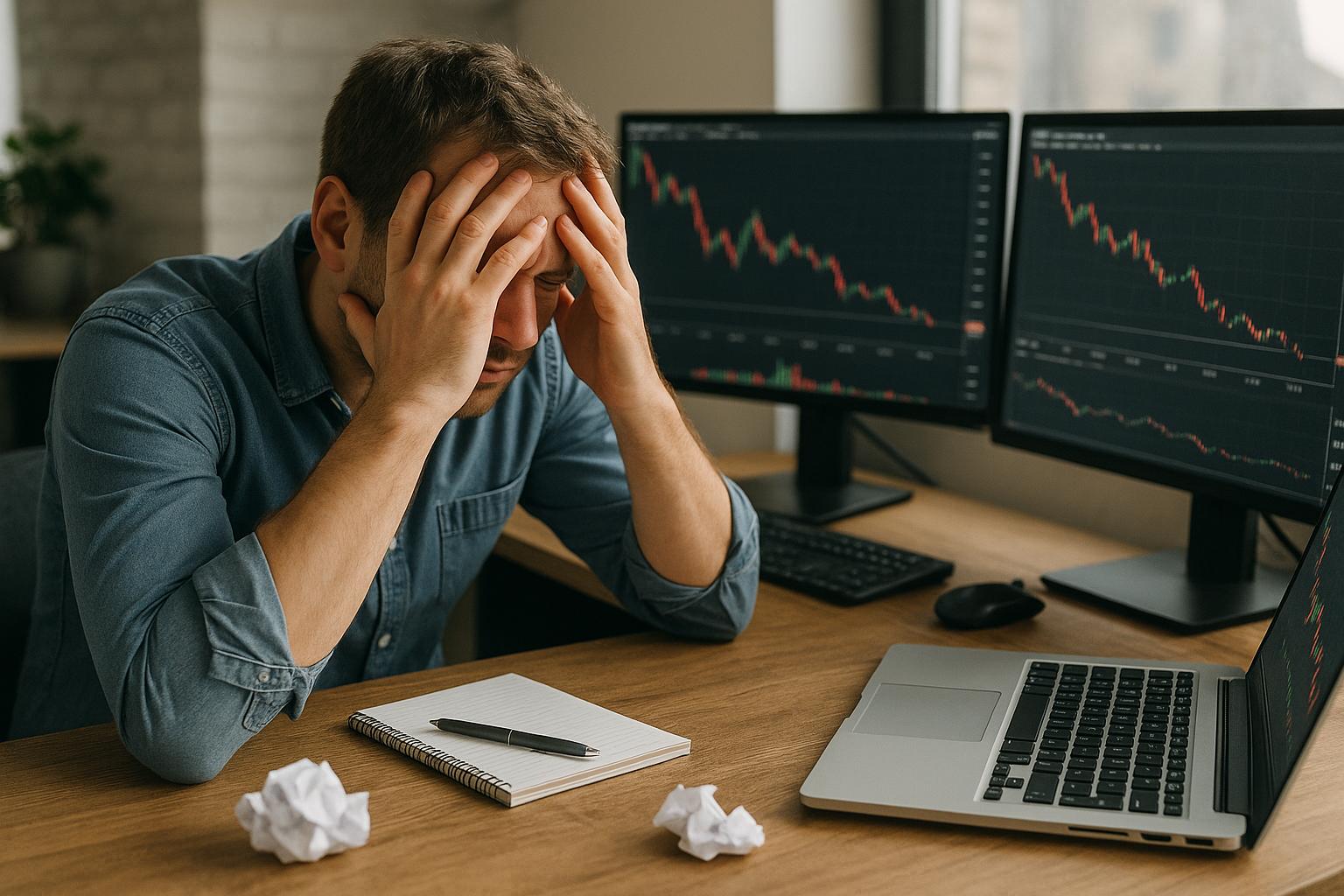
Overtrading is a critical issue that many investors and traders encounter, often inadvertently, as they attempt to maximize their returns. This situation arises when an individual engages in an excessive number of trades, going beyond what is prudent or optimal for their portfolio performance. The consequences of overtrading can be detrimental, leading to increased transaction costs and emotional exhaustion, ultimately resulting in suboptimal performance of their investment portfolio.
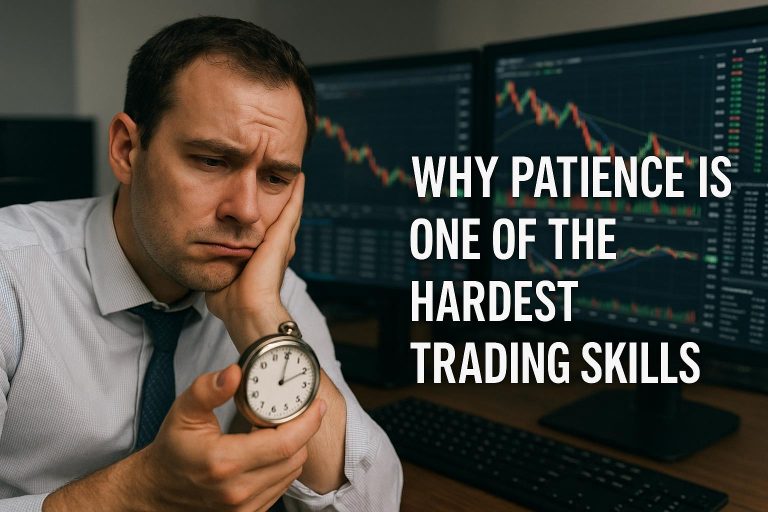
The desire to rapidly accumulate profits often propels traders into this potentially destructive pattern. Additionally, during periods of slow market activity, boredom or a lack of significant movements in the markets can induce traders to engage in unnecessary trading activities. Another contributing factor can be the misunderstanding or misinterpretation of market conditions, leading traders to pursue transactions under the misguided belief that they are optimizing their strategy. However, a more prudent approach during such periods is to utilize the quiet market conditions as an opportunity to reassess one’s trading strategy rather than indiscriminately increasing trading frequency.
Recognizing the Triggers
Identifying the underlying triggers that lead to overtrading is an essential step toward mitigating this behavior. Some prevalent triggers include:
Emotional Trading: It is not uncommon for traders to allow emotions such as fear or greed to overshadow their trading decisions. This emotional involvement often detracts from logical decision-making, leading to hurried trades without thorough analysis.
Market Noise: The current digital age provides a plethora of information sources. However, this abundance of information can be counterproductive when traders engage with irrelevant news or rely on unsubstantial tips, thereby making trades lacking in sound analytical basis.
Boredom: Human nature drives the need for activity, and in the context of trading, the absence of market excitement can often lead to trades executed out of sheer boredom rather than strategic necessity.
Adopting a Sustainable Trading Strategy
To circumvent the pitfalls of overtrading, adopting a sustainable trading strategy is indispensable. Such a strategy should encompass clear objective setting, well-defined risk management protocols, and rigorous adherence to a structured plan.
A trading journal can serve as a vital tool to monitor and track trading activities, enabling traders to analyze their performance meticulously. By reviewing past trades, traders can discern patterns that might have contributed to previous instances of overtrading, offering invaluable insights into refining future strategies.
Importance of Risk Management
The cornerstone of any successful trading venture is a robust risk management framework. This involves gaining an understanding of personal risk tolerance and employing mechanisms such as stop-loss orders to preempt potential losses. By delineating the amount of capital one is willing to risk per trade, traders can make more calculated and informed decisions, thereby avoiding the temptation of excessive trading during tranquil market phases.
Managing Emotions in Trading
Emotional stability is essential to maintain trading discipline and prevent impulsive actions. Traders can benefit from techniques like mindfulness or meditation, which help mitigate stress and curb emotional reactions to market volatility. Furthermore, taking periodic breaks away from trading screens can offer a refreshed perspective, alleviating the incessant urge to keep trading, thereby promoting a more measured approach to market engagement.
Utilizing Technology and Tools
Technology can serve as an ally in making informed trading decisions. Advanced trading platforms equipped with analytical tools and alert systems can provide valuable insights and indicators that support strategic decision-making. Additionally, automated trading strategies can minimize the emotional component in trading, as pre-set algorithms execute trades based on predetermined criteria, thereby reducing the proclivity to overtrade.
Seeking Education and Mentorship
Continuous education and mentorship play pivotal roles in enhancing trading acumen and understanding market dynamics. Engaging with knowledgeable traders, participating in forums, attending webinars, and enrolling in professional trading courses can significantly bolster decision-making capabilities and market confidence.
Reviewing and Reflecting Regularly
A regular review of trading outcomes against defined goals is instrumental in providing constructive feedback. Reflective analysis of both successful and unsuccessful trades is crucial in pinpointing strengths and identifying areas that necessitate improvement. By consistently refining one’s trading approach, traders can ensure their strategies remain relevant and effective in varying market conditions.
In conclusion, understanding the nuances of overtrading and diligently applying these strategies can empower traders to exert greater control over their trading practices. This deliberate and disciplined approach fosters a more balanced and successful interaction with the market, safeguarding against the unnecessary risks that overtrading often entails, and encouraging a more thoughtful engagement, particularly during slower periods in the market cycle.