Identifying When Not to Take a Trade
Understanding when to refrain from entering trade deals is equally critical as recognizing lucrative trade opportunities. The ability to discern when it is inappropriate to engage in trading can protect a trader from significant financial losses, contributing to a methodical and strategic trading approach. This article delves into various critical factors that traders should meticulously evaluate before deciding to initiate a trade, providing insights into the essence of cautious and well-informed trading practices.
Market Conditions
A crucial element in deciding whether to engage in a trade is the prevailing volatility in the market. Volatility refers to the degree of variation in trading prices over time, and high volatility often signals unpredictable price movements. These fluctuations can present substantial risks for traders lacking a solid strategy or risk management plan. Engaging in trades during periods of high volatility can lead to unforeseen losses. Therefore, traders should assess whether market conditions have stabilized before initiating trades, as more stable markets often present lower-risk opportunities.
Additionally, traders must scrutinize the trend clarity within the market. Identifying a clear trend eases decision-making processes, enabling traders to align their strategies with confirmed market directions. Without discernible trends, traders may end up making hasty decisions based on rudimentary or incomplete data, amplifying the risk of losses. It is advisable for traders to ensure that market trends align with their strategies before entering a trade to avoid potentially detrimental outcomes.
Personal Preparedness
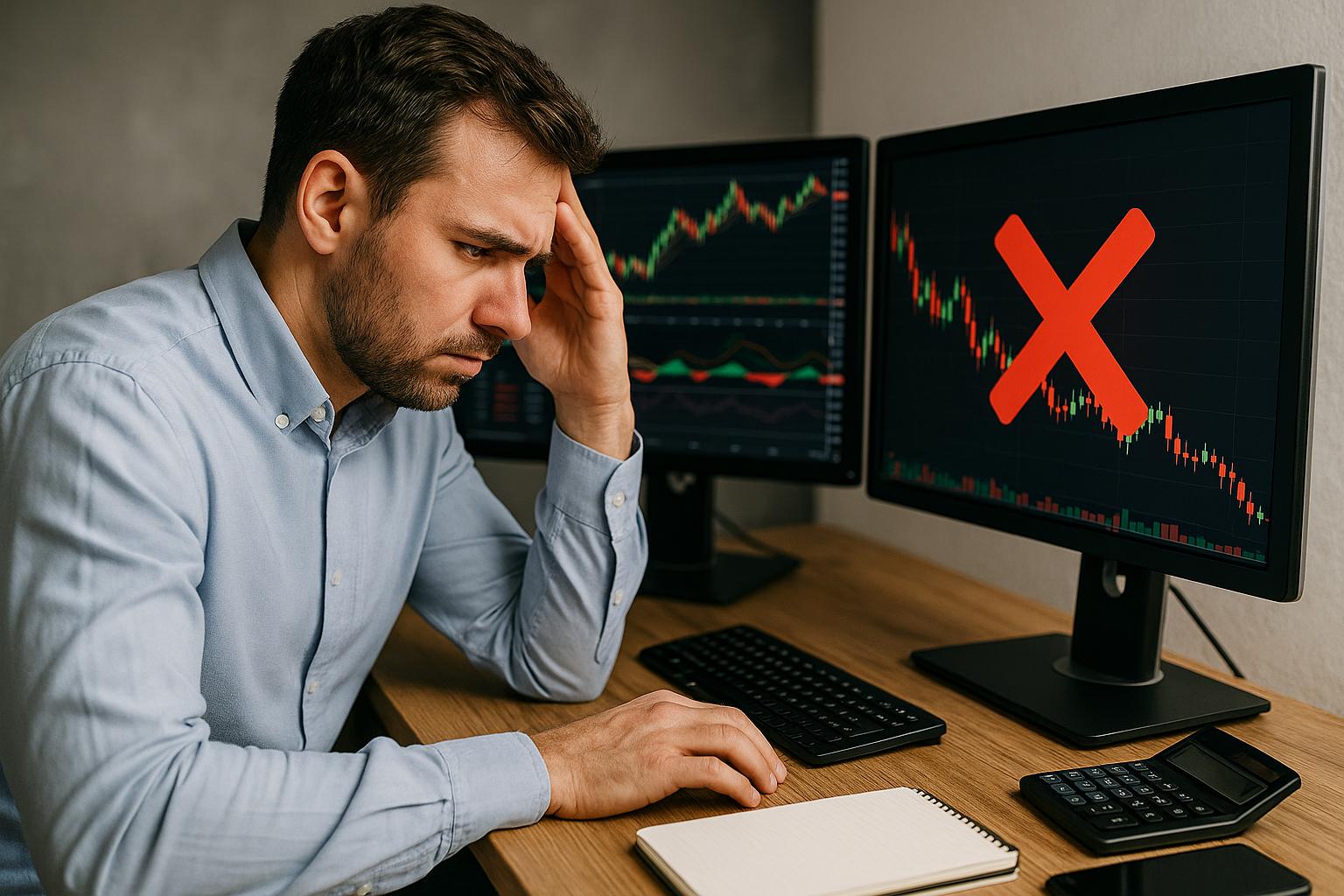
A trader’s emotional state profoundly influences their decision-making capabilities. Emotional trading often results in irrational and impulsive decisions driven by stress, fear, or excitement, leading to substantial financial repercussions. It is paramount for traders to maintain a calm and objective mindset, free from emotional biases, to enhance their decision-making processes. Preparing mentally and emotionally before trading ensures a composed and rational approach to analyzing market conditions and executing trades.
Equally important is the impact of lack of sleep or illness on a trader’s performance. Insufficient rest or health issues can impair cognitive functions, diminishing a trader’s ability to evaluate market data accurately and make sound decisions. Trading requires full mental presence and sharp analytical skills, making it critical for traders to ensure optimal physical and mental health before engaging in the activity. Entering trades when not in peak condition heightens the risk of errors, which can significantly impact trading outcomes.
Analyzing Risk vs Reward
Evaluating the risk-reward ratio is a pivotal step in sound trading practices. This ratio involves assessing whether the potential rewards of a trade justify the inherent risks. A skewed risk-reward ratio, where potential losses outweigh potential gains, should signal caution and consideration against entering the trade. Sound risk-reward analyses enable traders to make informed decisions, avoiding unnecessary exposure to high-risk scenarios.
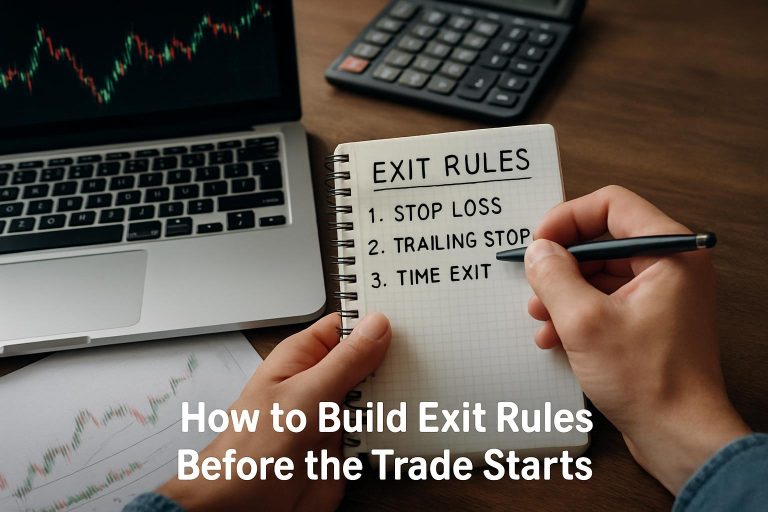
Furthermore, traders should ensure the implementation of an adequate stop-loss strategy. Effective use of stop-loss orders and risk management techniques is paramount in protecting capital and limiting potential losses. Failure to implement such strategies can expose traders to uncontrolled financial risks. In situations where proper risk management mechanisms cannot be employed or adequately controlled, it might be prudent to refrain from engaging in the trade.
Access to Information
Possessing comprehensive market analysis or reliable data is imperative for making informed trading decisions. Entering a trade without thorough analysis or dependent solely on unreliable data sources is akin to gambling rather than executing a calculated risk. Traders need to ensure that their data sources are current, accurate, and thoroughly examined before taking a position in the market. Proper analysis equips traders with knowledge and insights necessary for making tactical decisions, enhancing the likelihood of successful trading.
External Factors
External elements such as economic events, geopolitical developments, or significant policy announcements can introduce additional layers of uncertainty into the market. Unanticipated events, such as interest rate announcements or geopolitical crises, can lead to sudden and unpredictable market fluctuations. In the absence of a comprehensive understanding and preparedness for such events, it is often advisable to stay out of the market during these periods. Distancing from trading during such events safeguards traders from unpredictable market shocks and allows observation of the developments before committing to a trade.
Conclusion
The discipline to abstain from trades under unfavorable conditions is reflective of sound judgment and strategic planning. Through the careful evaluation of market conditions, personal preparedness, comprehensive risk-reward analysis, access to accurate information, and consideration of external influences, traders can significantly enhance their long-term trading success. Emphasizing these critical aspects ensures a more calculated, strategic approach towards market engagement. Such prudence can potentially minimize financial risks while maximizing opportunities, aligning with the overarching goal of sustaining profitable and responsible trading practices.