The Complexity of Trading
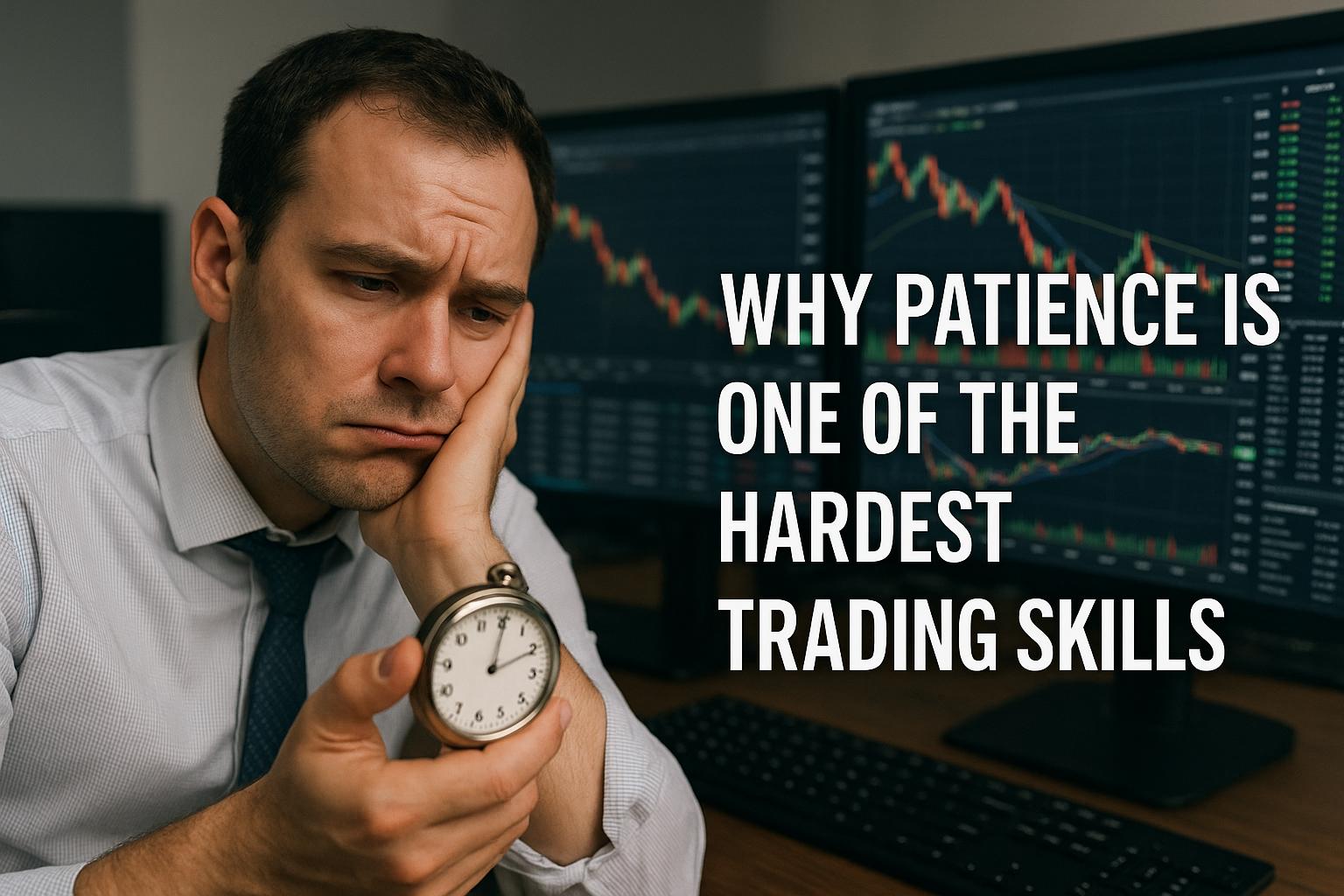
Trading in financial markets is a multifaceted endeavor that requires a combination of analytical skills, emotional balance, and strategic thinking. Among these, patience stands out as a particularly challenging skill to master.
The Role of Patience in Trading
In the realm of trading, decisions often involve a high degree of uncertainty. The markets can be volatile and unpredictable, resulting in situations where quick decisions may lead to significant losses. Patience is critical as it allows traders to wait for the right opportunities rather than jumping into trades out of fear or greed.
The Psychological Challenge
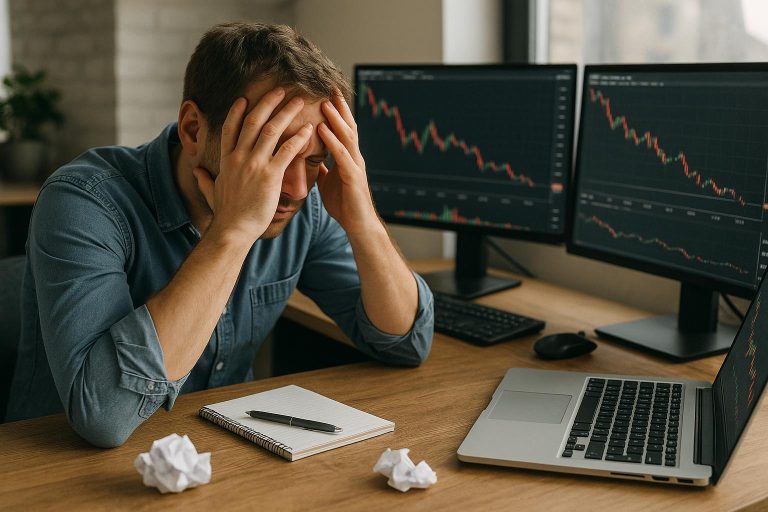
Patience is difficult to maintain due to the psychological pressures traders experience. The very nature of the markets, with their constant fluctuations and the opportunities they present, can create a sense of urgency. This urgency leads to what is often termed as impulse trading – making hasty decisions without adequate analysis or consideration.
Behavioral Finance Insights
Studies in behavioral finance suggest that human beings are naturally inclined to seek immediate gratification. This tendency is often at odds with the delays and wait times that successful trading demands. Moreover, the concept of loss aversion highlights how individuals tend to fear losses more than they value equivalent gains, leading to premature decision-making and irrational trading behaviors.
The Consequences of Impatience
Lack of patience can have several adverse effects on trading performance:
1. Increased Risk
Impatient traders often take on excessive risk by entering trades that do not meet their predefined criteria or by exiting trades prematurely.
2. High Transaction Costs
Frequent trading driven by impatience can lead to increased transaction costs, including commissions and slippage, which erode profits over time.
3. Emotional Stress
The constant decision-making and rapid changes created by impatience can cause emotional stress, impacting a trader’s ability to make rational decisions.
Strategies to Develop Patience
Developing patience is not just about waiting; it requires a disciplined approach to trading. Here are some methods:
Adhering to a Trading Plan
A well-defined trading plan is essential. It provides a framework that helps traders stick to their strategy, minimizing the temptation to react to short-term market movements.
Setting Realistic Expectations
Traders need to set realistic expectations about returns and timeframes. Understanding that markets move in cycles can help in waiting for setups that align with one’s strategy.
Mindfulness Practices
Incorporating mindfulness and stress-reduction techniques can improve emotional control, allowing traders to stay calm and focused under pressure.
Evaluating Market Conditions
Analyzing the market’s current state is a crucial part of strategy. Traders should scrutinize past trends to predict future movements, avoiding the pitfalls of acting solely on the latest data points. This analysis includes understanding liquidity, volatility levels, and any extraneous events influencing market behavior. Patience pairs with careful evaluation by ensuring traders wait for all variables to align before making decisions.
Additionally, grasping technical indicators and the global economic environment can instill further patience in a trader. Having comprehensive insight allows for better timing, reducing the inclination toward premature actions prompted by market swings.
Understanding Diverse Market Strategies
Market strategies vary in nature, and different approaches necessitate varying levels of patience and decision-making processes. Whether employing a long-term investment strategy such as value investing, or shorter-term strategies like day trading, patience plays a key role in performance. Long-term strategies benefit from patience as traders wait for their investments to mature, while shorter-term methods may require quick execution balanced with the discipline to avoid over-trading.
In long-term investing, patience is crucial in weathering the inherent market volatility. During downturns, it’s important not to divest out of panic. This patience allows traders to stay the course until favorable conditions return, maximizing potential gains.
The Importance of Education and Experience
Knowledge acquisition and real-world experience contribute significantly toward developing patience in trading. The more educated traders are about market mechanics, the better they can anticipate and react to market changes thoughtfully. Continuous learning through courses, mentorship, and firsthand trading experience reduces the impulsivity driven by misinterpretation or lack of information.
Moreover, familiarity with trading platforms and tools further enhance decision-making capacity, ensuring that traders know how and when to act. As experience grows, so does confidence — a critical aspect that underpins the patience needed to succeed.
Assessing Technological Tools
Technological advancements and tools, including algorithmic trading and artificial intelligence, have reshaped trading landscapes. Algorithms can aid those struggling with patience by implementing predefined criteria that mechanically execute trades without short-sighted human emotion. However, these tools necessitate careful monitoring and adjustment to ensure alignment with overarching strategies and market dynamics.
While technological tools can streamline decision-making, they demand baseline patience from traders awaiting optimal conditions for the algorithms to trigger actions successfully.
Financial and Emotional Resilience
Financial resilience implicates the ability to withstand market fluctuations without being compelled to exit positions prematurely. This resilience, coupled with a strong emotional foundation, empowers traders to remain on course even during adverse conditions. Managing financial resources wisely by avoiding over-leveraging and maintaining adequate capital reserves lends itself to fostering patience.
Emotional resilience empowers traders to detach personal sentiments from market activity, thereby minimizing reactionary behaviors caused by stress or anxiety. Developing this resilience is a gradual process improved through self-awareness, emotional intelligence, and healthy life habits extending beyond the trading sphere.
Conclusion
Patience is undoubtedly one of the toughest skills to develop for traders, yet it is a crucial component of successful trading. Mastering patience requires recognizing its importance and implementing strategies that promote disciplined, well-planned trading activities. The multifaceted approach covering trader education, technological tools, market analysis, and personal resilience contributes to mitigating the impulsiveness that often plagues the trading community. By fostering a strategic mindset and balancing patience with informed action, traders can navigate the complexities of financial markets with greater efficacy.