
Understanding the Basics of a Trading Edge
The notion of a trading edge is a cornerstone for anyone endeavoring to engage in financial markets with success. At its core, a trading edge represents what differentiates a trader who can consistently make profits from those who cannot. To identify a trading edge, one must first comprehend the elements that ensure a strategy remains profitable over extended periods. This understanding is crucial for traders who wish to transform their involvement in the markets from mere participation to consistent success.
Defining a Trading Edge
A trading edge can be succinctly described as a particular advantage a trader possesses over other market participants. This advantage could originate from a plethora of sources, including but not limited to technical analysis, understanding of market psychology, or possessing unique market insights that others might overlook. Importantly, a trading edge does not assure profits in every trade. Instead, it enhances the probability of achieving favorable outcomes across a series of trades, thus leading to consistent profitability.
Identifying Personal Strengths
The journey to discovering a trading edge typically starts with an introspective assessment of one’s strengths and weaknesses. It involves evaluating the methods and approaches that align well with one’s unique skill set and comprehension. For example, some traders may excel in technical chart analysis, while others might have a good grasp of macroeconomic trends or possess an intuitive understanding of market sentiment. After identifying these strengths, the next step is to refine and consistently apply them, contributing to the formation of a robust trading edge.
The Importance of a Simple Approach
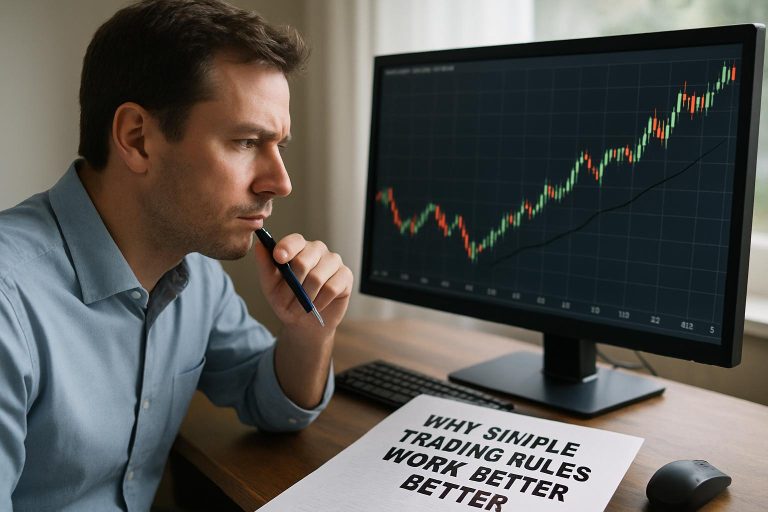
A critical aspect of cultivating a trading edge lies in maintaining a simple approach. While it may seem tempting to concoct sophisticated and intricate strategies, such complexities can lead to confusion and a lack of consistency. A straightforward strategy that resonates with one’s trading style can bring about clarity, facilitating a confident and assured decision-making process.
Focusing on a Specific Market or Asset
Another efficacious strategy for developing a trading edge is specializing in a particular market or asset class. By gaining in-depth knowledge about specific markets, a trader can significantly reduce complexity and uncertainty, making it easier to identify trading opportunities. Such focused specialization allows for a deeper understanding of price actions and potential trend developments, contributing to a more pronounced trading edge.
Backtesting and Learning from Experience
One of the vital steps in establishing a trading edge is the practice of backtesting strategies. Backtesting involves applying a prospective strategy to historical data, thereby assessing its effectiveness. This practice helps traders understand how a strategy might fare under varied market conditions. Moreover, deriving lessons from past trades, whether they were profitable or not, can yield insights that assist in refining and enhancing one’s trading edge.
Risk Management as an Edge
Risk management is often a neglected yet immensely important component of having a trading edge. It includes implementing measures like setting appropriate stop-loss levels, diversifying investments, and maintaining a balanced portfolio. Effective management of risk ensures that potential losses are mitigated, allowing traders the continuity to exploit their trading edge over time, despite occasional setbacks.
Continuing Education and Adaptation
The dynamism of financial markets underscores the necessity for traders to engage in continuous education and adaptation to maintain their trading edge. As markets evolve, so must the strategies employed by traders. Staying informed about emerging trends, new technologies, and advanced analytical tools can help traders retain their competitive edge. A crucial aspect of this is being receptive to modifying and optimizing one’s strategies to ensure they remain both relevant and effective in a changing market landscape.
Utilizing Technology and Tools
In today’s digital era, numerous tools and software are available to aid traders in developing and sustaining a trading edge. Such tools can assist in data analysis, pattern recognition, and real-time market monitoring, thereby enabling traders to make more informed decisions. By leveraging technology, traders can enhance their ability to exploit their edge effectively, maintaining their competitive stance in the market.
Conclusion
The pursuit of discovering and nurturing a trading edge need not be an overly complex endeavor. Through a focus on personal strengths, specialization in specific market sectors, implementation of risk management strategies, and an unwavering commitment to continuous learning, traders can craft a simplified yet potent trading approach. Such an approach, focused on honing a trading edge, can sustain consistent results over time, ultimately distinguishing successful traders in the financial markets.